Social Media and Focus: How to Protect Your Attention Without Going Off-Grid
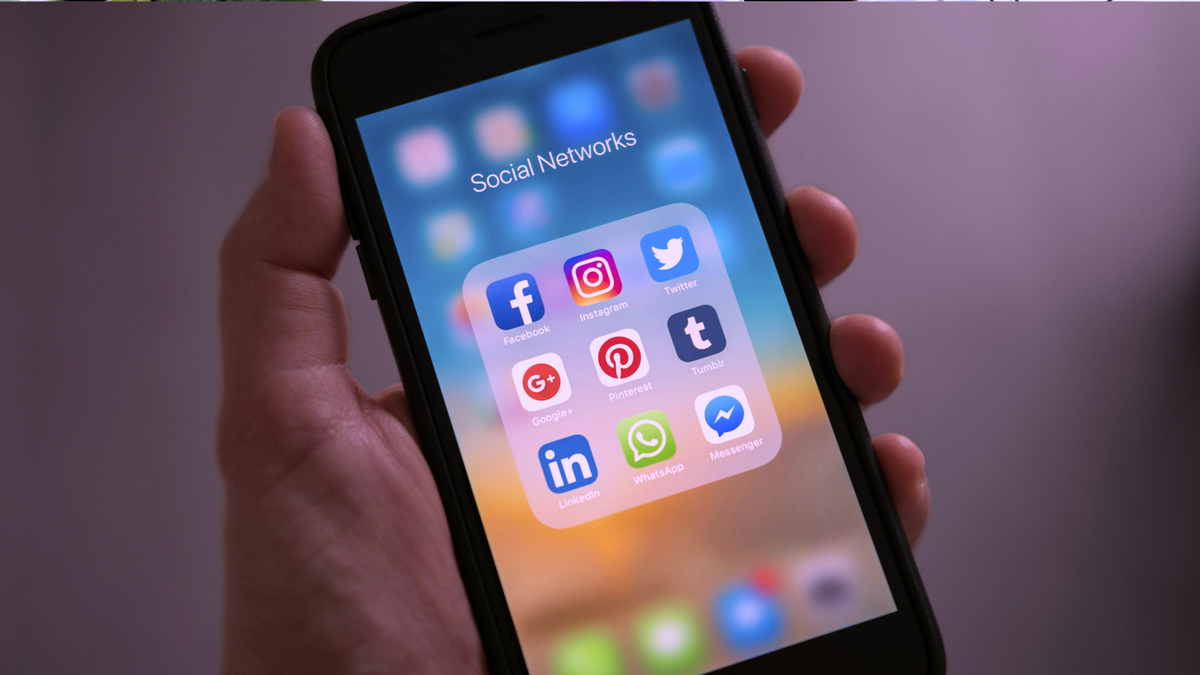
You know that thing where you pick up your phone to “just check one thing”… and 20 minutes later you’re deep in a reel about a dog that makes sourdough?
Yeah. That.
A lot of people quietly wonder: Is my attention broken, or is it just social media?
The truth is: your brain isn’t broken. But social media is absolutely designed to compete for your focus.
We now have a growing body of research showing that heavy social media and digital media use is linked with shorter attention spans, weaker cognitive control, and more difficulty staying with demanding tasks, especially in children and adolescents. Some studies even find that just a short burst of passive scrolling can temporarily impair working memory and inhibitory control.
And while much of the data focuses on teens, the same attention systems live in adult brains too.
The good news: you don’t have to delete every app and move to the mountains. You can protect your attention without going off-grid, but it requires being more intentional than the design of your phone wants you to be.
What Social Media Actually Does to Your Attention
Let’s keep this simple.
Most major platforms are built around three things:
- Endless scroll – no natural stopping point
- Variable rewards – sometimes the next post is boring, sometimes it’s exactly what you wanted
- Constant novelty – new sounds, images, topics every few seconds
Your attention system learns: “Why stay with one slightly uncomfortable, effortful task when I can get a hit of novelty in one swipe?”
Studies in young people and college students consistently link excessive social media use with poorer sustained attention, more impulsivity, and reduced executive functioning (things like planning, mental flexibility, and self-control). Short-form, fast-paced content seems particularly good at training the brain to expect constant stimulation.
Add in:
- Notifications
- Multiple apps
- Habit of checking your phone whenever you feel bored, anxious, or stuck
…and your brain becomes very good at switching and not so good at staying.
That doesn’t mean social media is pure evil. It can genuinely help with connection, learning, and support, especially for people who feel isolated. The point is not “never use it.” The point is to stop letting it run your attention on autopilot.
Is Social Media Messing With Your Focus? (Clues to Look For)
You don’t need a scan to see the impact. Some everyday signs:
- You find it hard to read an article, page, or email without wanting to check something mid-way.
- You instinctively reach for your phone in any micro-gap: elevator, queue, red light, between tasks.
- You feel “pulled” to apps even when you don’t really want to be there.
- Work that used to feel manageable now feels strangely heavy or boring.
- You open an app for a specific reason… and forget what it was.
If you’re a parent, you might notice similar patterns in your kids: hopping between apps, zoning out, struggling to stay with homework, or constantly needing background stimulation. That lines up with current concerns from pediatric and public health experts about excessive social media use and attention in young people.
Again, this doesn’t mean you (or they) are doomed. It means your attention has been trained by your environment, and it can be retrained.
Principle 1: Go Online On Purpose, Not by Reflex
Most of the damage to focus happens in those mindless, automatic checks.
A simple rule:
“Never open an app without knowing why you’re opening it and what you’ll do there.”
Before tapping a social app, ask:
- What am I here for? (Message someone? Post something? Check one thing?)
- How long do I want to spend?
- What will I do when I’m done?
If that sounds too abstract, write it down:
- “Reply to 3 DMs.”
- “Post today’s update, then close.”
- “Scroll for 10 minutes as a break, with a timer.”
You can keep your “real work” intention somewhere visible too. For example, many people like to choose one focus task and then start a Pomodoro-style focus timer. They commit: “I’ll finish this block first, then I can check socials.” That tiny pause often breaks the reflex.
Principle 2: Redesign Your Notification Environment
If social media is constantly allowed to interrupt you, you’re playing on hard mode.
You don’t have to disappear. You just have to decide what is allowed to reach you in real time.
Try:
- Turning off push notifications for social apps entirely, or limiting them to DMs only
- Removing social apps from your home screen so you don’t tap them by muscle memory
- Setting “check slots” (e.g., lunchtime and evening) instead of letting notifications dictate your day
On the flip side, you can add notifications that support focus:
- A reminder for your planned deep-work block
- A nudge to take a breathing break instead of doomscrolling
- A gentle prompt to start a focus session or a short Box Breathing exercise when your energy dips
The goal isn’t zero notifications. It’s fewer, more intentional ones.
Principle 3: Create Clear “Focus Windows” and “Scroll Windows”
Social media gets sticky when it’s blended into everything else: half-working, half-scrolling, half-listening.
A more brain-friendly approach is to separate focus time from scroll time.
For example:
- 09:30–10:00 → Deep work, no phone, Conqur focus timer running
- 10:00–10:10 → Break: stretch, water, optional intentional scroll
- 10:10–11:00 → Deep work again
During a focus window:
- Phone is away or face-down in another room
- Only necessary work apps are open
- If you feel the urge to check something, you jot it down and come back later
During a scroll window:
- You’re honest: “Yes, I’m scrolling right now.”
- You set a boundary (e.g., a 10-minute timer)
- When the timer ends, you switch environments (stand up, move, breathe) to break the loop
Some people like to pair this with the Focus Tracker game (based on the Stroop test). They use it as a “warm-up” for their attention: one quick game to get their brain into “focus mode,” then straight into their deep-work task.
Principle 4: Train Focus Like a Muscle (Gently)
If you’ve spent years hopping between apps and tabs, expecting yourself to suddenly focus for an hour straight is like deciding to run a marathon tomorrow.
Start with what you can do now, then build up.
You might:
- Choose one task and focus for 10–15 minutes, then rest
- Gradually extend your focus blocks over weeks (15 → 20 → 25 minutes)
- Reduce the number of “attention leaks” (e.g., 10 open tabs → 3)
This is exactly where structured tools help, not because they’re magic, but because they lower friction.
Think of it as taking your attention back to the gym after too much couch time.
Principle 5: Soothe First, Then Scroll (Most of the Time)
A lot of social media use isn’t about boredom. It’s about self-soothing:
- You feel anxious → you scroll
- You feel lonely → you scroll
- You feel stuck on a task → you scroll
The problem is that while scrolling can numb those feelings temporarily, it rarely settles your nervous system. Often, you come back to your task more scattered than before.
A small but powerful shift:
When you notice the urge to escape into your phone, try soothing your body first, then decide if you still want to scroll.
That might look like:
- 1–2 minutes of slow breathing
- Standing up, stretching, looking out a window
- Drinking water and moving your eyes away from screens
Anchor Meditation sessions are ideal for this; short, guided practices you can use as a “pause button” when your brain screams, “I need to get away from this task right now!”
Very often, once your nervous system calms down, the urge to scroll drops from a 9/10 to maybe a 3 or 4. At that level, you’re more able to choose deliberately.
For Parents: Modelling Matters More Than Lecturing
Because so much of the research (and the worry) centers on kids and teens, it’s worth saying this plainly:
- There is evidence that heavy social media use in young people is linked with attention problems, impulsivity, and mental health concerns.
- Experts increasingly focus on how, why, and how much kids use social media—not just whether they use it.
But kids don’t just listen to what we say. They watch what we do.
Creating media rules for them while constantly scrolling in front of them sends a mixed message. A more powerful approach is to build family attention habits together: device-free meals, shared focus times, intentional breaks, and calm wind-down routines.
Kids’ stories and visualizations can be part of that wind-down—a short, screen-light audio before bed instead of one last burst of bright, fast content.
You Don’t Have to Quit. You Do Have to Choose.
Social media isn’t going away. And for most people, deleting every app isn’t realistic or even necessary.
What is necessary, if you care about your focus, is taking back a bit of control:
- Deciding when and why you go online
- Reducing how often apps are allowed to interrupt you
- Giving your brain real focus reps, not just micro-slices of attention
- Soothing your nervous system in ways that actually restore you
You can do all of that with very small changes: a timer here, one fewer notification there, one protected focus block most days.
Whether you manage those shifts with a notebook, system of your own, or with support from a growth and productivity app, the core idea is the same:
Social media gets a say in your attention. It just doesn’t have to get the final word.