Forget Resolutions: Build One Keystone Habit for 2026 Instead

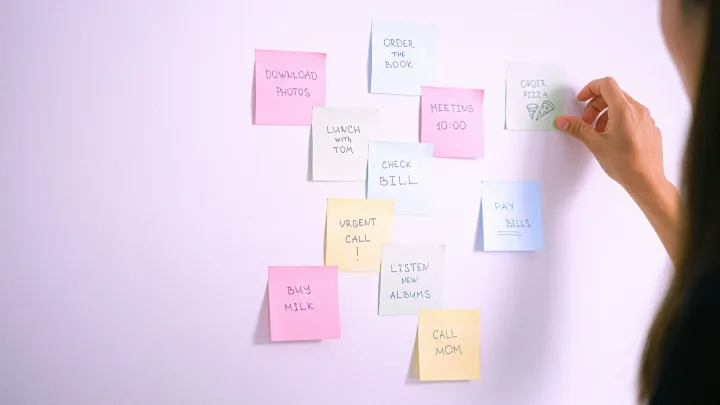
Every January, people stack resolutions like a to-do list for a new personality:
- Exercise three times a week
- Meditate daily
- Read more
- Eat better
- Be more productive
It looks ambitious on paper. In real life, it’s overwhelming. Within a few weeks, the list quietly dissolves under work, family, and fatigue.
If you’re tired of that cycle, there’s a better approach for 2026:
Forget resolutions. Build one keystone habit instead.
A keystone habit is a single behavior that, once established, starts to improve other areas of your life almost automatically. Instead of trying to change everything at once, you choose one habit that creates a ripple effect.
In this post, you’ll learn what a keystone habit is, how to choose the right one for 2026, and how to build a simple system around it so it actually sticks, with practical ways to support it using tools.
What Is a Keystone Habit (and Why It Beats Resolutions)?
A keystone habit is a small, consistent behavior that:
- Is simple enough to repeat even on bad days
- Naturally sparks other positive changes
- Reinforces the identity you want to build
Classic examples:
- A daily walk that leads to better sleep, better food choices, and more energy
- A weekly planning session that helps you spend, work, and rest more intentionally
- A nightly phone-free wind-down that improves sleep, focus, and mood
- A “sit down and start for 10 minutes” work rule that reduces procrastination
The power of a keystone habit isn’t just in the habit itself. It’s what it unlocks:
- Better decisions without constant willpower
- More consistency in other routines
- A stronger sense of “I can trust myself to show up”
Resolutions try to change five things at once. A keystone habit quietly changes the system that produces your days.
Step 1: Decide What You Want 2026 to Feel Like (Not Just Look Like)
Before you pick a keystone habit, ask a different question:
“How do I want my life to feel most of the time in 2026?”
Examples:
- More stable and grounded
- More energized and healthy
- More focused and in control of your time
- Less frazzled and reactive
Then connect that feeling to a broad area:
- Health & energy
- Focus & work
- Mental well-being
- Finances
- Relationships / family
Write one sentence:
“In 2026, I want my daily life to feel more ______, especially in the area of ______.”
If you use Conqur, you can create a simple Pictogoal like “2026 Keystone Habit – [Area]” and jot this sentence in the goal description, plus an image that represents your “more grounded/focused/energized” self.
Step 2: Choose One Keystone Habit for 2026
Now you translate that feeling into one keystone behavior.
A good keystone habit for 2026 should be:
- Small — doable in 5–20 minutes
- Specific — you know exactly what “done” looks like
- Repeatable — fits into most days without a major life overhaul
- High leverage — tends to improve other things too
Some examples:
If you want more calm & clarity
- 10-minute evening reset: put things away, quick tidy, plan tomorrow’s top 3
- 5–10 minutes of breathing + reflection at night (one win, one gratitude)
If you want better health & energy
- 20-minute daily walk after work
- A simple “1 healthy swap per day” rule (one better choice at a meal or snack)
If you want more focus & progress on goals
- A 25-minute Focus Block each weekday on a meaningful project
- A weekly 30-minute planning ritual for your tasks and priorities
If you want stronger mental well-being
- Short phone-free wind-down before bed
- 5 minutes of journaling or visualizing your day before sleep
Pick one. Not three. Not five.
In Conqur, turn this into a single habit in the Habit Tracker (e.g., “20-min walk,” “25-min focus block,” “Evening reset”), and let everything else be optional until this one is solid.
Step 3: Make Your Keystone Habit Ultra-Clear
Vague habits die quickly. Clear habits survive busy weeks.
Use this template:
When [cue], I will [habit] in/at [place] for [duration].
Examples:
- “When I get home from work, I will go for a 20-minute walk around the block before I sit down.”
- “When I finish dinner, I will do a 10-minute evening reset in the kitchen and living room.”
- “When it’s 9:00 a.m. on weekdays, I will start a 25-minute Focus Timer and work only on my main project at my desk.”
- “When it’s 10 p.m., I will put my phone away and spend 5–10 minutes breathing and reflecting before bed.”
The clearer the cue, place, and duration, the less negotiating you’ll do with yourself.
You can save this as text in your Conqur habit description so you see your exact “When X, I do Y” formula every time you check off the habit.
Step 4: Build a Tiny System Around Your Keystone Habit
A habit doesn’t live in isolation; it lives inside a system.
Think about four supports:
- Cue – What reminds you?
- Environment – What makes it easier?
- Tracking – How do you see your streak?
- Emotion – How do you deal with resistance?
1. Cue
- Alarms or calendar reminders at first
- Visual cues (shoes by the door, journal on pillow, laptop open to the right document)
2. Environment
- Remove obvious friction (lay out clothes, clear your desk, choose your route)
- Put your “next step” in view (task list, book, app open)
3. Tracking
- Tick a box on paper, or use an app
- The key is visible streaks — your brain loves seeing continuity
Here’s where Conqur quietly shines:
- Use the Habit Tracker to log your keystone habit daily
- Let the Prioritizer surface that habit or related tasks so it’s never buried under noise
- Watch the streak build; Conqur’s uplifting words and affirmations support the “I’m a person who shows up” identity
4. Emotion
- Expect resistance (“I’m tired,” “Not today”)
- Have a 1–2 minute Box Breathing or short meditation as your pre-habit reset
- For a focus-based keystone habit, start a Mental Flow Timer so you’re only committing to one session, not “being productive forever”
System = cue + setup + tracking + emotional support.
Your keystone habit becomes much easier when all four are in place.
Step 5: Use the “Minimum Version” Rule
The danger with habits is “all or nothing” thinking.
- “I didn’t do the full 20 minutes; I blew it.”
- “I missed one day; I’ve ruined the streak.”
To avoid this, give your keystone habit a minimum viable version that still counts.
Examples:
- Normal: 20-minute walk → Minimum: 5-minute walk around your block
- Normal: 25-minute focus block → Minimum: 10 minutes of focused work with a timer
- Normal: 10-minute evening reset → Minimum: Clear one surface + write tomorrow’s top 1 task
- Normal: 10-minute reflection → Minimum: 2 minutes of breathing + “one win” written down
On hard days, do the minimum and check it off. The habit stays alive, and your identity (“I show up”) remains intact.
In Conqur, you could even name the habit with the minimum built in:
- “Walk at least 5 minutes”
- “Focus 10–25 minutes”
- “2–10 minutes of evening reset”
You’ll often do more. But the low bar prevents the classic “I missed, so I quit” spiral.
Step 6: Let Your Keystone Habit Do Its Job (The Ripple Effect)
The beauty of a keystone habit is what happens around it.
For example, if your keystone habit is:
A daily 25-minute Focus Block
You may notice over time:
- You start finishing more important tasks
- You feel less guilty at the end of the day
- You’re more willing to tackle hard things first
Using the Focus Tracker (Stroop-style focus game) reinforces the story: “I’m someone who trains and protects my attention.”
A nightly phone-free wind-down
You might see:
- Better sleep
- More morning focus
- Less anxiety from late-night doom scrolling
Pairing this with a short visualization can deepen the effect without making the habit longer.
A weekly planning ritual
Over time:
- Your week feels less chaotic
- You waste less time on low-value tasks
- You feel more in control of your commitments
Letting Conqur’s Prioritizer reflect your weekly plan back to you is a natural extension — you plan once, then let the system remind you “what matters today.”
Don’t rush to add more habits. Let the keystone habit quietly rearrange other parts of your life for a few months.
Step 7: Expect Setbacks — and Pre-Decide Your Comeback
Even the best keystone habit will be interrupted by:
- Illness
- Travel
- Family emergencies
- Crunch weeks at work
Instead of pretending this won’t happen, write a tiny relapse plan:
- “If I miss 3 days, I will restart with the minimum version tomorrow, no guilt.”
- “If I miss a week (vacation, sick, etc.), I’ll schedule one specific restart day and time in my calendar or in Conqur.”
You’re telling yourself:
“Missing is part of the plan. Coming back is the real habit.”
You can even add a quick Conqur note or task called “Keystone Habit Restart Protocol” so you don’t have to think it through when you’re discouraged.
Quick Keystone Habit Template for 2026
Drop this into your post as a box or checklist:
KEYSTONE HABIT 2026 TEMPLATE
- Desired feeling:
- “In 2026, I want my life to feel more __________, especially in __________.”
- Keystone habit (one only):
- “My keystone habit is: __________________________.”
- Clear formula:
- “When [cue], I will [habit] in/at [place] for [duration].”
- Minimum version:
- “On hard days, I will still do: _____________________ (and it counts).”
- System supports:
- Cue: __________________________
- Environment: ___________________
- Tracking: _______________________
- Emotional support (breathing, timer, etc.): _________
- Comeback plan:
- “If I fall off, I will restart on [day/time] with the minimum version and no self-attack.”
The Bottom Line: One Habit, Many Changes
Resolutions try to transform your life by sheer willpower across five fronts at once. A keystone habit does something quieter and smarter: it gives you one anchor behavior that slowly pulls other parts of your life into alignment.
Choose one small, high-impact habit for 2026. Make it crystal clear. Wrap a simple system around it; cues, environment, tracking, emotional support.
If you commit to a single keystone habit and protect it, 2026 doesn’t have to be “new year, new you.” It becomes: same you, stronger system; and a life that gradually starts to match who you’ve been trying to be all along.